
Connect three massive delta cities by bullet train to see the past and future of southern China.

The Pearl River Delta is a massive, interconnected megalopolis, and the best way to understand its scale is to ride the rails through it. You will start in the dense, vertical geography of Hong Kong Island before crossing the border into mainland China. The transition is sharp. Shenzhen is a hyper-modern tech hub built practically overnight, while Guangzhou retains the deep culinary and architectural roots of old Canton.
The logistical backbone of this trip is the MTR and China Railway high-speed network. You can travel from central Hong Kong to downtown Shenzhen in 15 minutes, and push on to Guangzhou in roughly 35 minutes. It turns what used to be a long overland slog into a fast, seamless subway ride between mega-cities.
This itinerary requires some upfront administrative work. You have to navigate mainland Chinese visa requirements and set up mobile payment apps before you leave home. If you are willing to clear those hurdles, you get a rare look at the contrasting economic engines of modern China.


You will fly Cathay Pacific from JFK to Hong Kong (HKG). The outbound flight (CX 841) leaves at 10:00 AM and takes nearly 16 hours, arriving at 1:55 PM the following day. The return flight (CX 830) departs HKG at 9:05 AM and lands back at JFK at 1:10 PM, taking about 16 hours.
| Leg | Flight | Route | Times (local) | Duration |
|---|---|---|---|---|
| Outbound | CX 841 | JFK → HKG | 10:00 → 13:55+1 | 15h 55m |
| Return | CX 830 | HKG → JFK | 09:05 → 13:10 | 16h 5m |
Hong Kong Island is defined by its steep terrain and vertical density. You will spend your first two days navigating the sharp inclines of Central and Soho. This area operates on multiple levels, connected by outdoor escalators, footbridges, and steep stairways lined with noodle shops and cocktail bars.
Beat the massive tour groups by taking the Peak Tram up Victoria Peak at 8:30 AM. Once at the top, skip the commercial viewing platforms and walk the circular Lugard Road trail for unobstructed views of the harbor. In the evening, the historic Star Ferry from Central to Tsim Sha Tsui remains the cheapest and best way to see the skyline.
Arrival and Skyline Views
Settle into Central and catch the Symphony of Lights from the Star Ferry.
Peaks and Dim Sum
Beat the crowds to Victoria Peak and explore the Central Mid-Levels escalator.

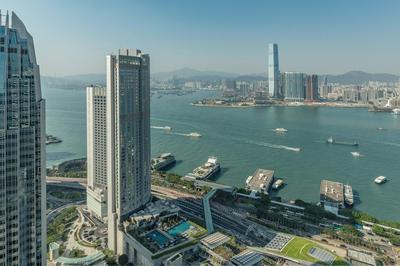
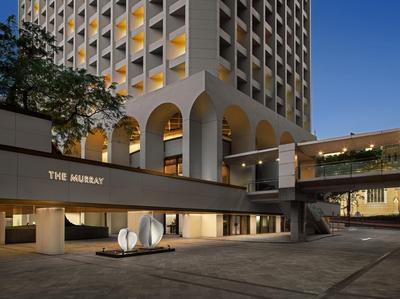
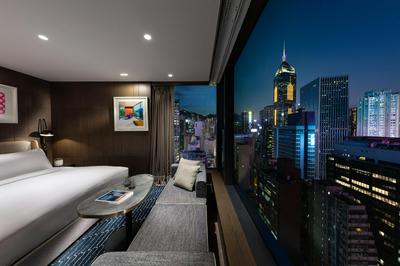
The Murray puts you right in Central for $396 a night, while the Four Seasons delivers panoramic harbor views and Michelin-starred dining for a premium $686. For a solid value without leaving the core, The Hari is an excellent option at $223.
You will clear both Hong Kong and Mainland immigration at the West Kowloon station before boarding a 15-minute bullet train to Futian. Shenzhen is China's Silicon Valley. It lacks the deep history of its neighbors, replacing it with massive scale, aggressive modernity, and towering skyscrapers.
The main draw here is the Huaqiangbei Electronics Market. It is a sprawling, multi-block complex where vendors sell everything from microchips to consumer drones. You can easily spend three hours getting lost in the SEG Electronics Plaza. Cap the day by heading up to the 116th floor of the Ping An Finance Centre right before sunset.
Enter the Tech Hub
Clear immigration at West Kowloon and dive into Shenzhen's massive electronics markets.
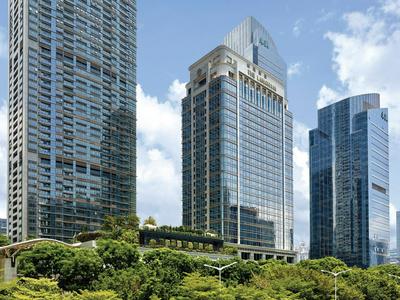
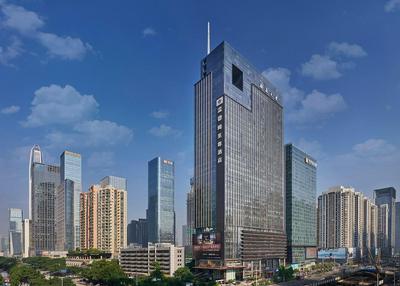
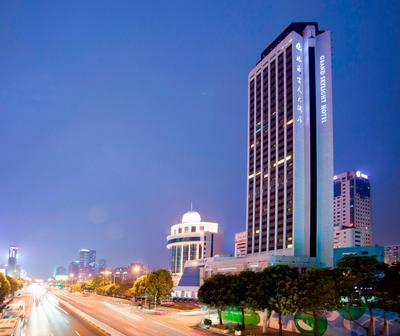
The Langham is an outstanding overall pick at $145 a night, though the Shenzhen Futian Wyndham Grand puts you slightly closer to the CBD for $151. Budget travelers should book the Grand Skylight Hotel Shenzhen Zhonghang, which is highly affordable at $81.
A short train ride brings you to Guangzhou, the historical capital of the region. Unlike Shenzhen, Guangzhou has deep architectural and cultural roots. The city balances extreme modern development in Zhujiang New Town with preserved 19th-century European colonial buildings on Shamian Island.
Spend a morning at the Chen Clan Ancestral Hall to see its intricate wood and stone carvings, which offer a stark contrast to the steel and glass you saw earlier in the week. Guangzhou is also the birthplace of Cantonese cuisine. Head to the Liwan District for dinner and order local specialties like white cut chicken and roast goose.
Creative Parks to Ancient Capitals
Sip coffee in a former factory district before taking the bullet train to Guangzhou.
Cantonese Heritage
Tour a preserved academic temple and eat traditional Cantonese roast goose.

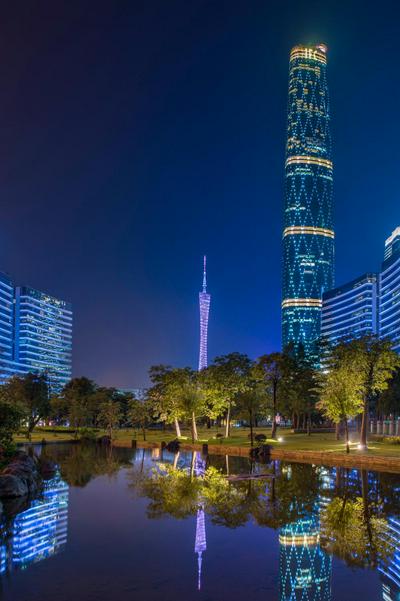
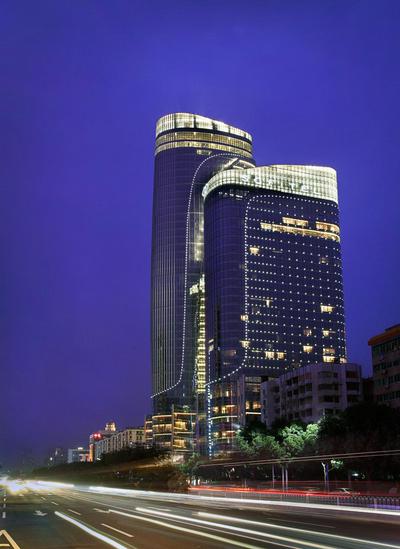
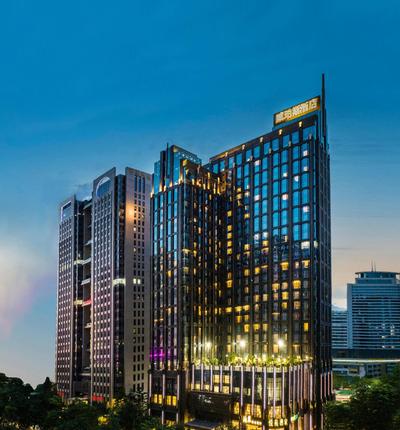
The Four Seasons in Zhujiang New Town is a luxury splurge at $425 a night. For excellent amenities at a lower price, the Sofitel Guangzhou Sunrich is $154, or you can grab a room at the Vaperse Hotel for a budget-friendly $83.
Take the 55-minute direct train from Guangzhou South back to Hong Kong. For this final leg, you will focus on the Kowloon side of the harbor. Kowloon is denser, grittier, and more neon-soaked than Hong Kong Island.

Wander through the dense street markets of Mong Kok, including the Flower Market and the Bird Garden. At night, head to the Temple Street Night Market area for dinner at an open-air food stall. Before flying out, walk the Tsim Sha Tsui promenade and visit the renovated Museum of Art.
Morning Yum Cha & Return to HK
Eat morning dim sum before riding the high-speed rail back to Hong Kong's Kowloon side.
Kowloon Neighborhoods
Wander the dense street markets of Mong Kok and walk the Tsim Sha Tsui promenade.
Departure
Drop your bags at the In-Town Check-In before taking the Airport Express to your flight.
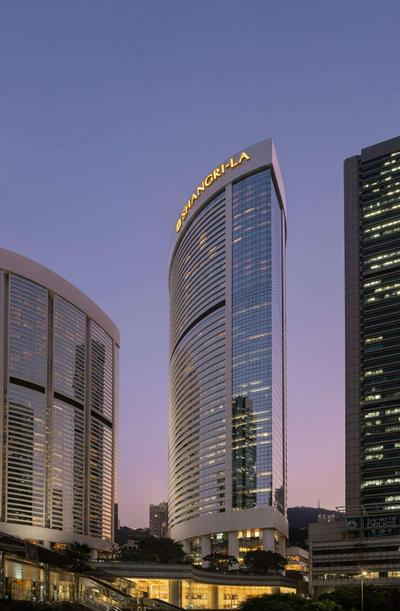
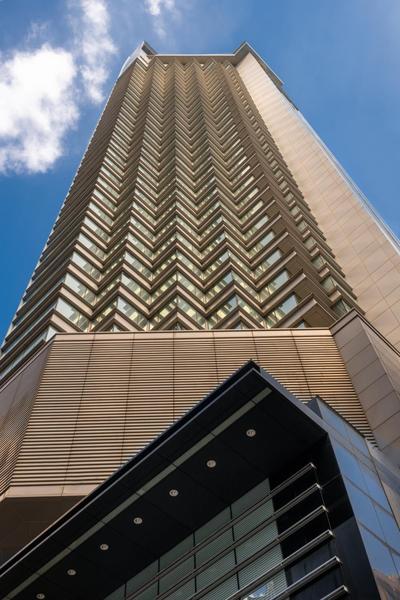
The Mondrian is a fantastic deal for this return leg at $206 a night. If you want direct MTR access, the Island Shangri-La is $460, while the Four Seasons remains the top-end choice at $686.
Public transit is the only way to move around these cities. Use an Octopus card for the MTR in Hong Kong, including the 24-minute Airport Express. Travel between the cities relies on the China Railway and MTR high-speed G-Trains. Mainland subways require Alipay or WeChat mini-programs to pay for fares.
October to April offers mild, pleasant temperatures and lower humidity. Avoid the summer months, which are hot, humid, and frequently disrupted by typhoons.
Hong Kong is an expensive global financial center. Mainland China is generally cheaper for food and transit, but you must have a digital payment method set up to actually spend your money.
Yes, most foreign passports require a visa for mainland China. While there are specific port visas for Shenzhen and a 144-hour transit rule, a standard Chinese tourist visa is the safest and most reliable option for this multi-city routing.
Download the apps and link your foreign credit card before you leave home. You will need to complete an identity verification process using your passport. Cash is almost completely useless on the mainland.
The station uses a co-location arrangement. You will clear Hong Kong exit customs and Mainland entry customs in the same building before boarding your train. Arrive at least 60 minutes early to get through both checkpoints.
No. While English is common in Hong Kong, it is rare on the mainland. Have your hotel addresses written in simplified Chinese characters and download a reliable translation app.
Not without preparation. The Great Firewall blocks Google, WhatsApp, and most Western social media. You must purchase an international eSIM with a built-in VPN or subscribe to a reliable standalone VPN service.